Emerging Contaminant & Microplastic Testing
Advanced technology for microplastics and nanoplastics identification
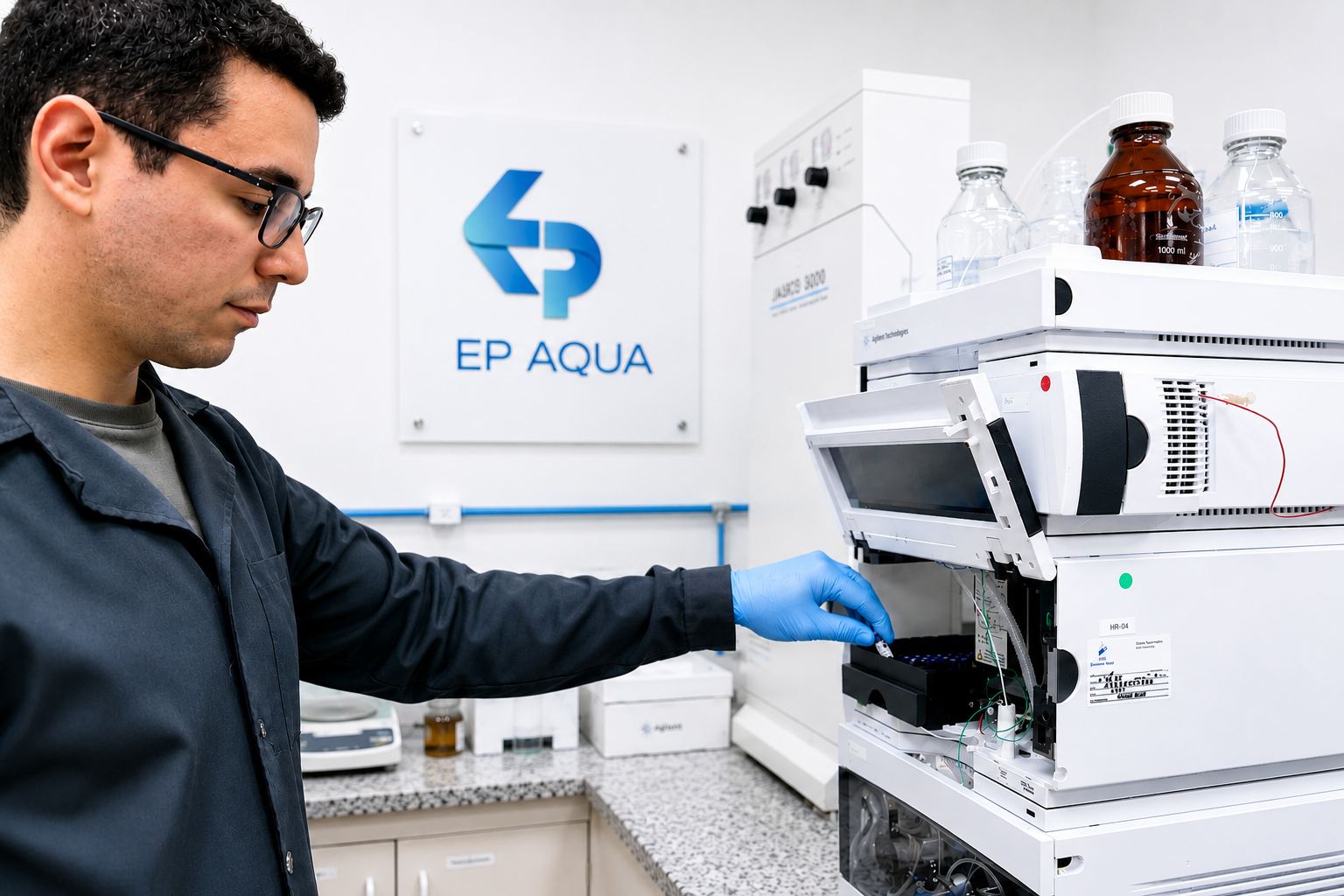
EP Aqua combines advanced laboratory infrastructure, OPTIR spectroscopy, AI-assisted particle analysis, and international quality standards to support research and projects involving emerging contaminants and human health.
Advancing Research on Microplastics
Microplastics and nanoplastics are becoming some of the most critical emerging contaminants for environmental, toxicological, and human health studies.
As global investments in plastic contamination research continue to increase, laboratories and institutions face a major challenge: the technical limitations of conventional analytical methods.
EP Aqua addresses this challenge by providing high-resolution analytical technologies for the identification, quantification, and chemical characterization of sub-micron particles.
OPTIR Technology: Beyond Traditional FTIR Limitations
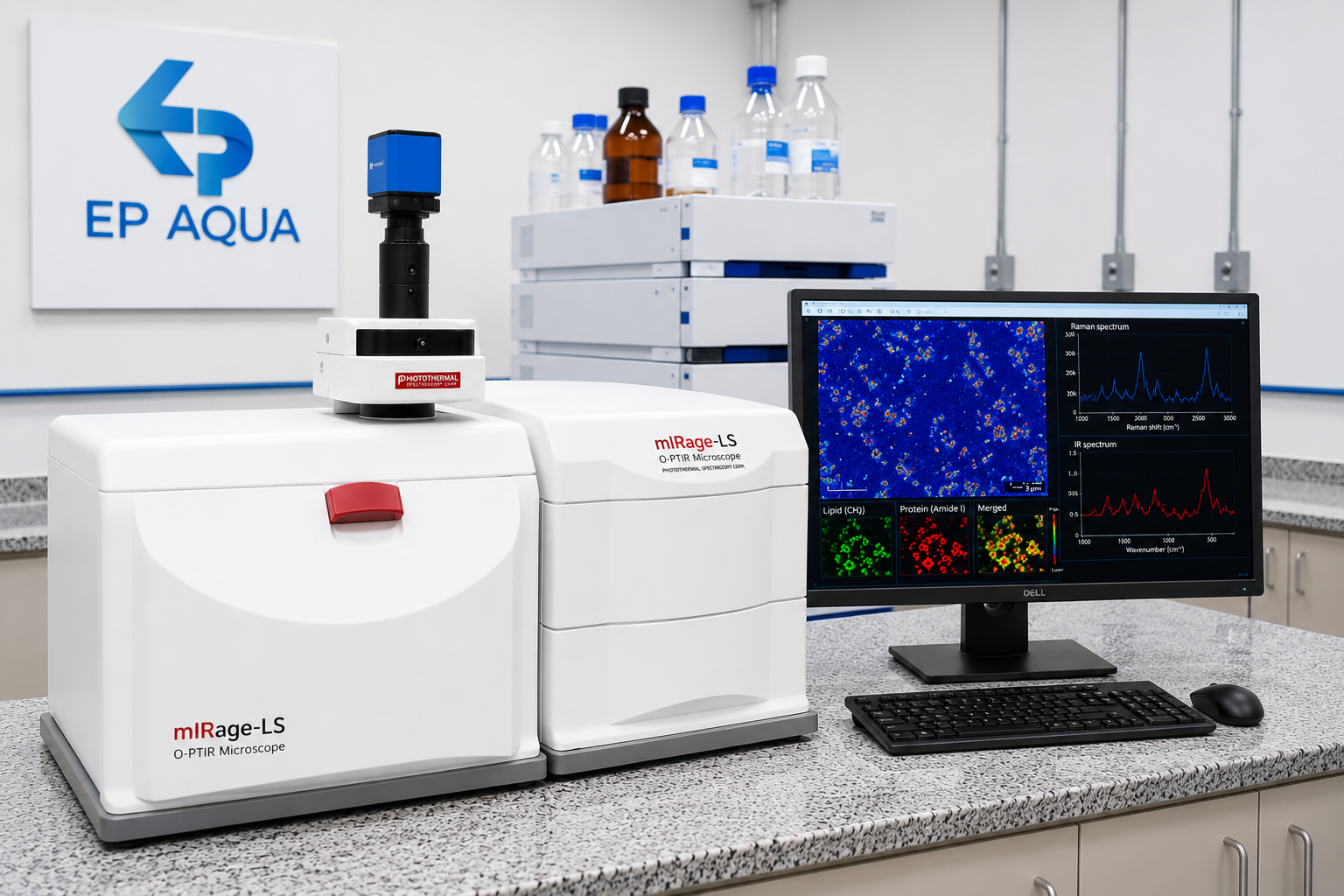
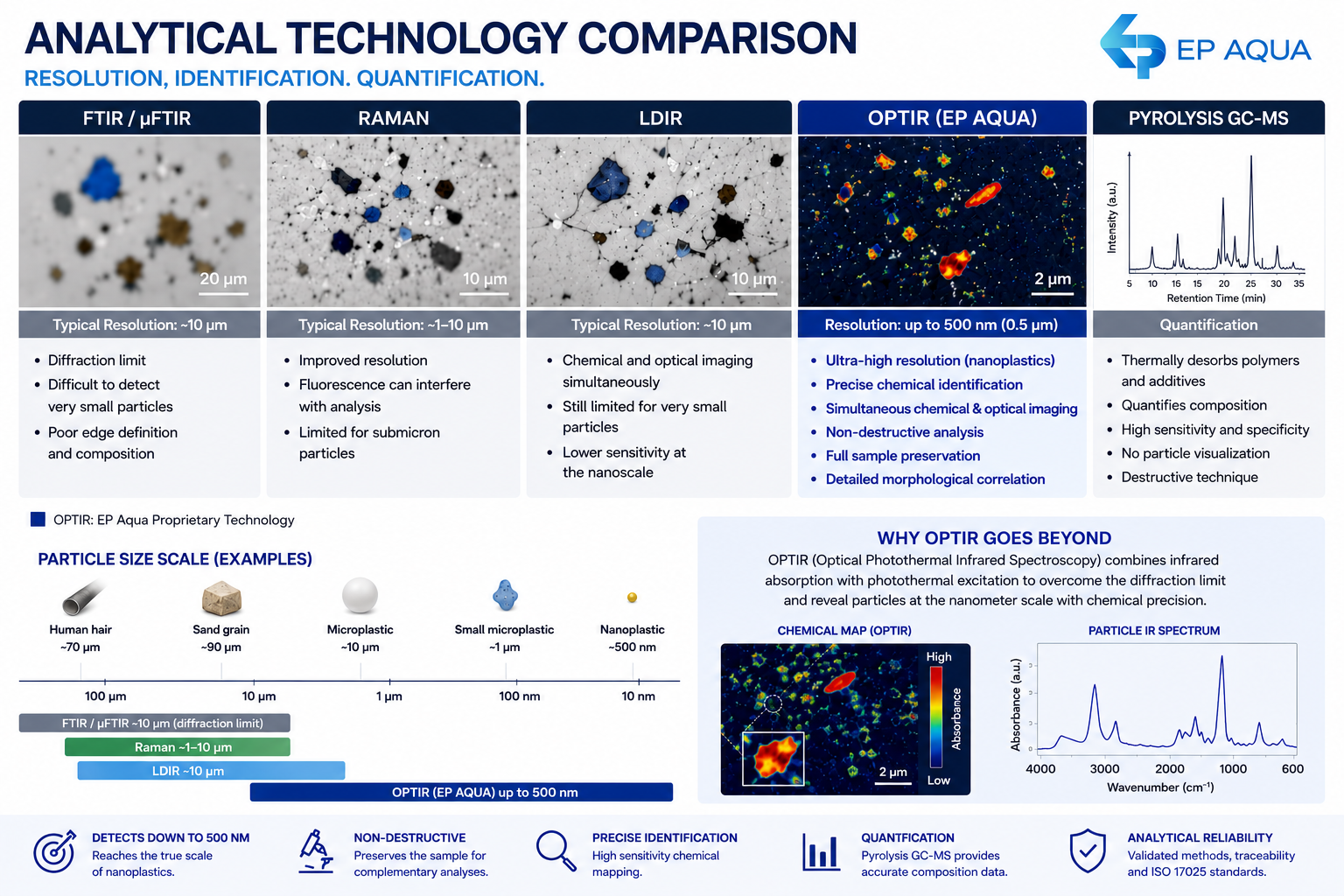
EP Aqua utilizes OPTIR (Optical Photothermal Infrared Spectroscopy), a next-generation technology capable of overcoming the diffraction limitations found in conventional FTIR methods.
This technology enables more precise, detailed, and non-destructive analysis, especially for particles at the nanoplastic scale.
Key Advantages of OPTIR
Our expertise covers the entire lifecycle of emerging contaminants, providing actionable data for complex challenges:
Sub-Micron Resolution
Detection of particles down to 500 nm (0.5 µm), reaching the true nanoplastic scale.
Non-Destructive Analysis
Preserves the physical integrity of the sample, enabling advanced morphological and toxicological evaluations.
Chemical & Optical Correlation
Simultaneous chemical mapping and optical imaging of particles.
High Analytical Sensitivity
High-quality infrared spectra even for extremely small particles.
Analytical Technology Comparison
Technology |
Approximate Resolution |
Particle Imaging |
Chemical Identification |
Sample Preservation |
|---|---|---|---|---|
FTIR / µFTIR |
~10 µm |
Yes |
Yes |
Yes |
Raman |
~1–10 µm |
Yes |
Yes |
Yes |
LDIR |
~10 µm |
Yes |
Yes |
Yes |
Pyrolysis GC-MS |
No imaging |
Limited |
Polymer only |
No |
OPTIR (EP Aqua) |
500 nm |
Yes |
Yes |
Yes |
Unlike pyrolysis-based techniques, OPTIR preserves the physical structure of the sample while enabling detailed characterization by size, morphology, and chemical composition.
Artificial Intelligence for Particle Analysis
EP Aqua is developing AI-assisted analytical workflows to accelerate the identification and classification of microplastic particles.
Our approach combines:
- image recognition;
- morphological classification;
- automated particle counting;
- size, shape, and color identification;
- expert-supervised validation.
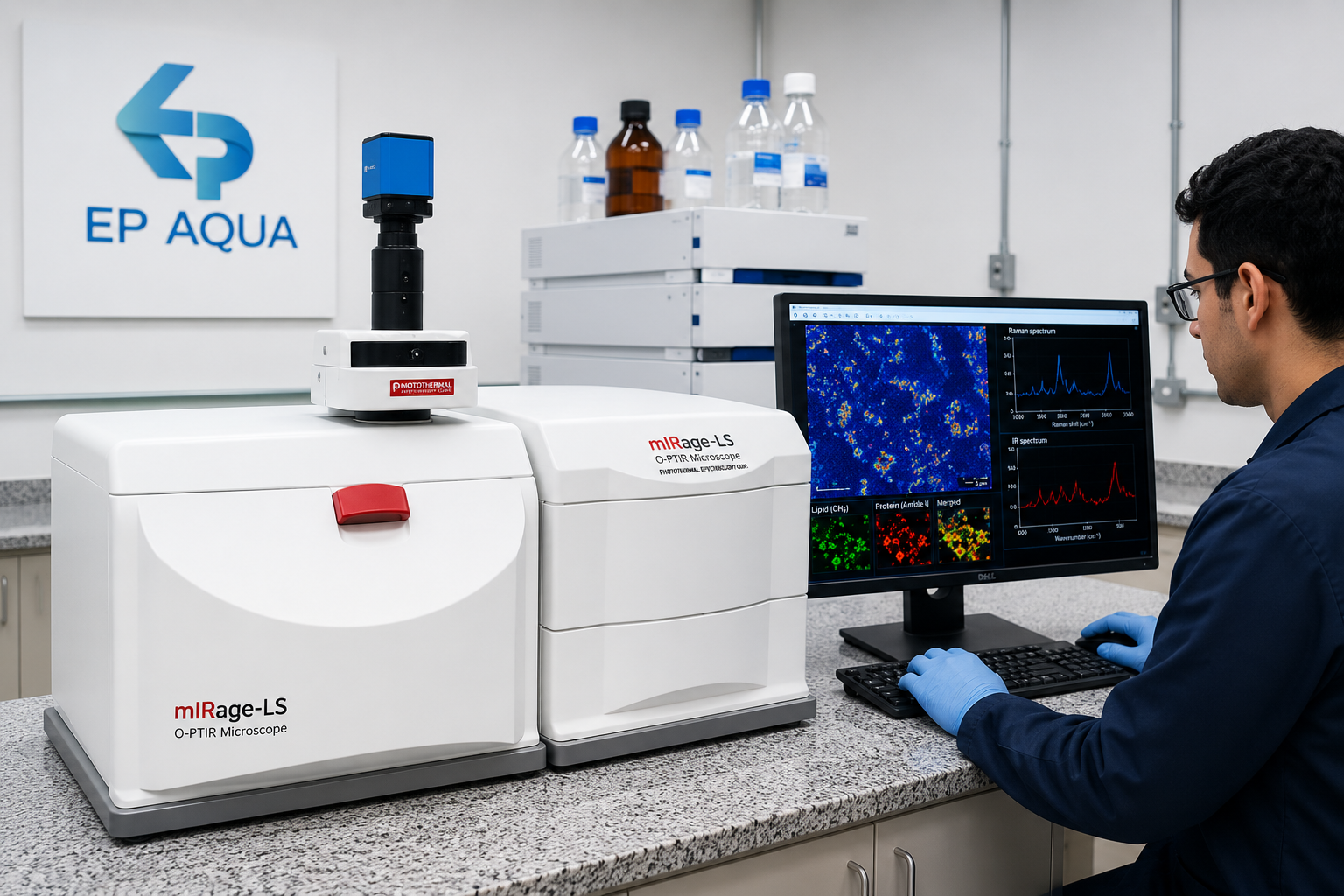
AI + Human Validation
All automated workflows are supervised and validated by EP Aqua’s technical specialists to ensure analytical reliability and scientific integrity.
Laboratory Infrastructure & Technical Capability
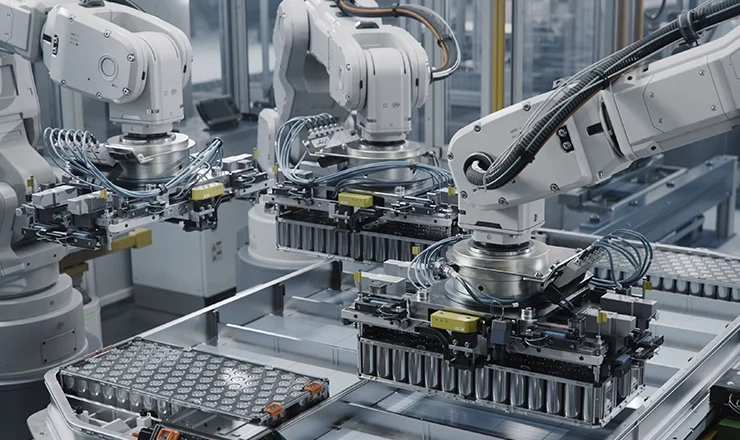
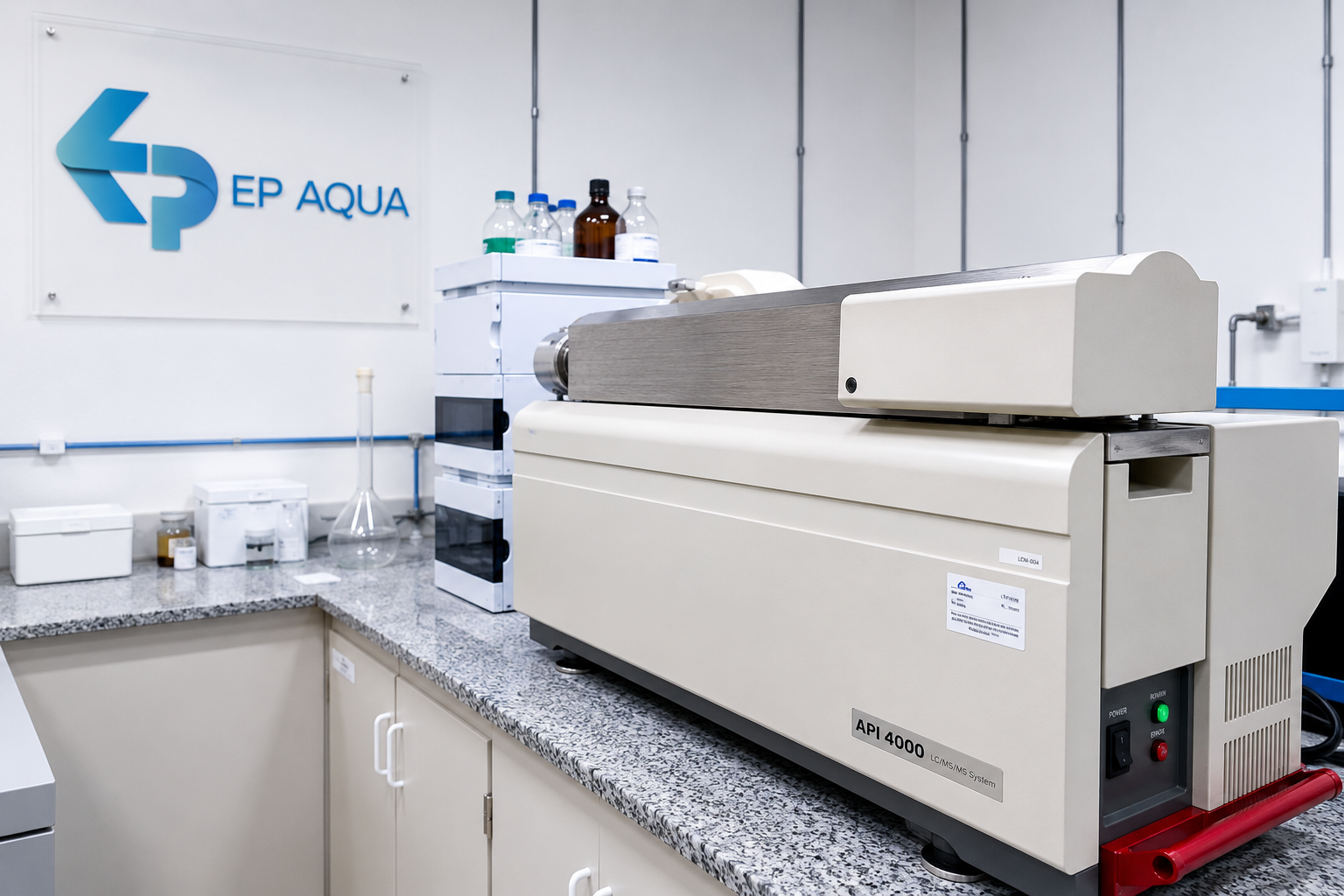
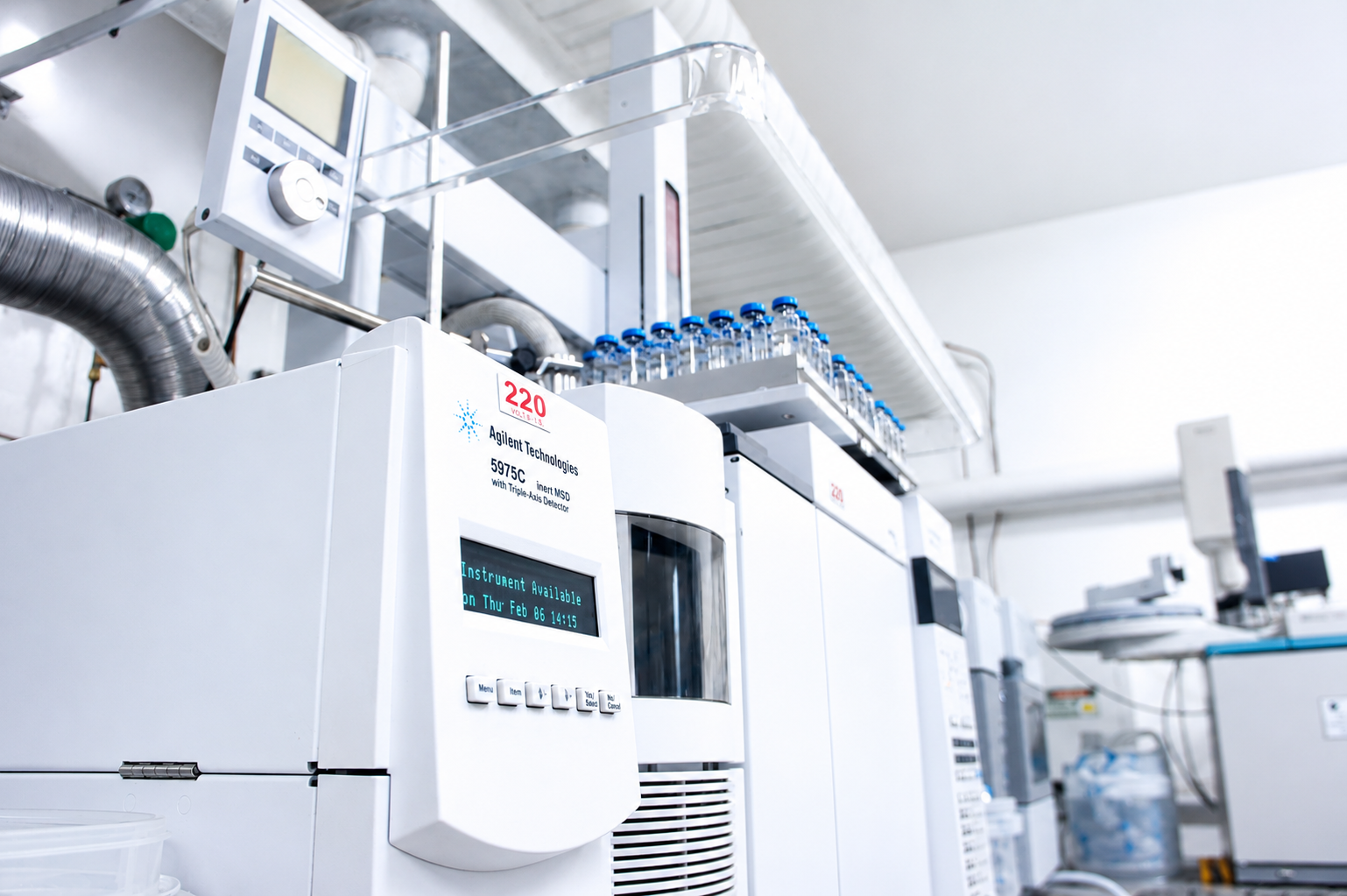
EP Aqua combines decades of laboratory operational experience with advanced infrastructure designed for emerging contaminants research.
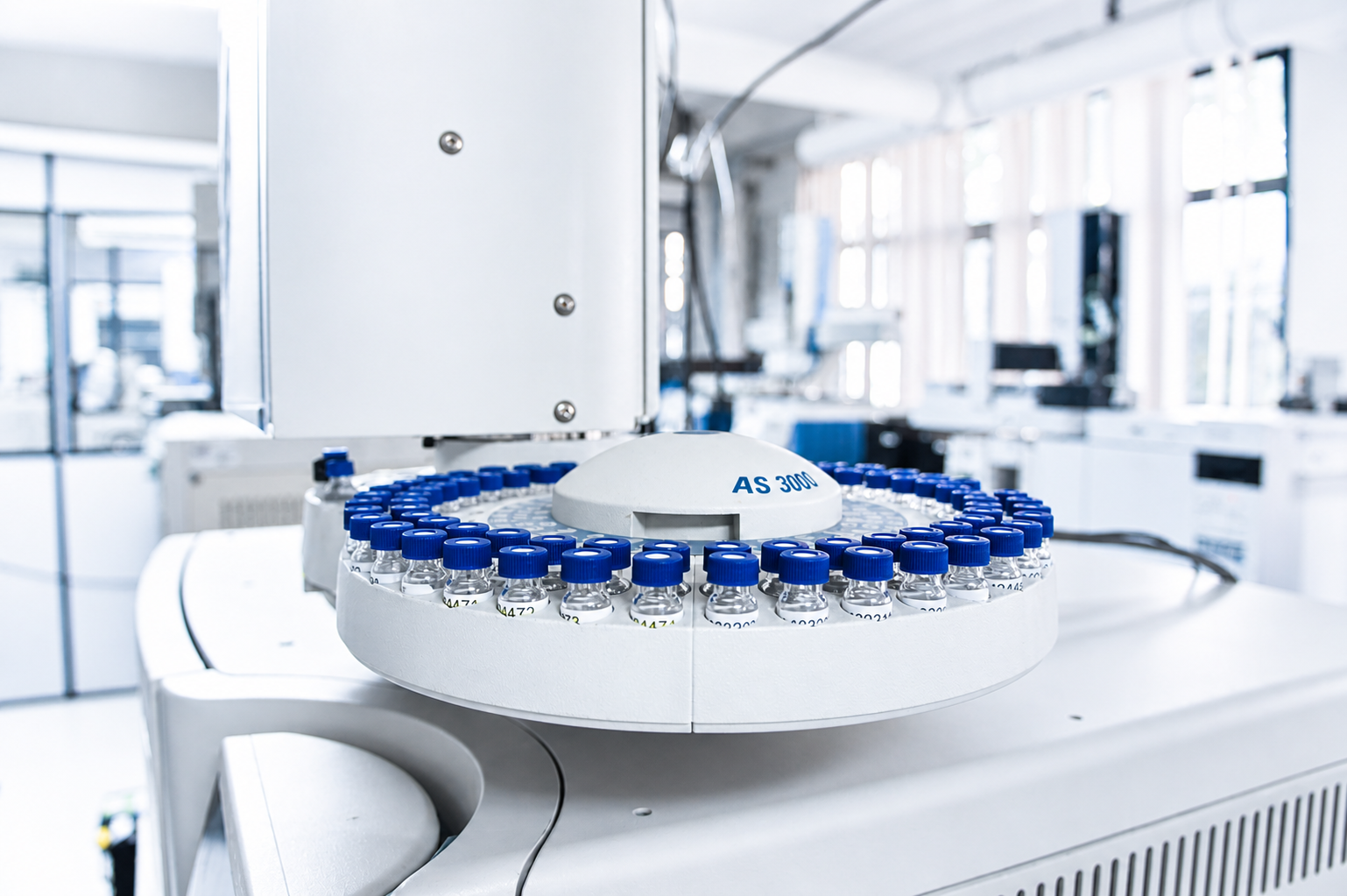
Our Capabilities Include:
- ISO 17025 laboratory standards;
- Advanced analytical traceability;
- Method validation expertise;
- Scalable analytical workflows;
- Integrated digital laboratory management;
- Extensive experience in laboratory method development and operation.
Benefits of hiring EP Aqua for tests
Here, every test is unique. Check out some of our differentiators:

ILAC MRA Certification

Customized solutions
Our analyses are unique, meaning we customize our services to meet the specific needs of each client.

Integrated team
We have engineers, chemists, and biologists to analyze and meet the needs of your industry.

ISO 17025 Certification
Precise and internationally recognized analysis results.

Technological Laboratories
All laboratories are equipped with advanced technology to perform analyses across various environmental matrices.
Interested in our services?
Contact us now!

Our team is ready to assist you!
Phone: +1 773-882-5111 | Email: epaqua@epaqua.com